Choosing The Right Look For Every Plan
Every occasion brings a different vibe, setting, and level of formality. Choosing the right outfit becomes much easier when you focus less on dressing perfectly and more on dressing appropriately for the plan ahead.
A good occasion should feel polished without feeling forced. It should suit the setting, support your comfort, and still reflect your personal style. Whether the day includes a casual gathering, dinner, work event, celebration, or last-minute plan, a few simple decisions can help you dress with more confidence and ease.
Understand The Setting First
Before choosing an outfit, consider where you are going and what the occasion requires. A relaxed daytime gathering will naturally call for something different from an evening celebration or a formal work event. Think about whether the setting is indoors or outdoors, how long you will be there, and how much movement the occasion involves.
Understanding the environment helps you narrow down your options quickly. It also prevents an outfit from feeling too casual, too formal, or simply impractical for the occasion.
Match The Vibe
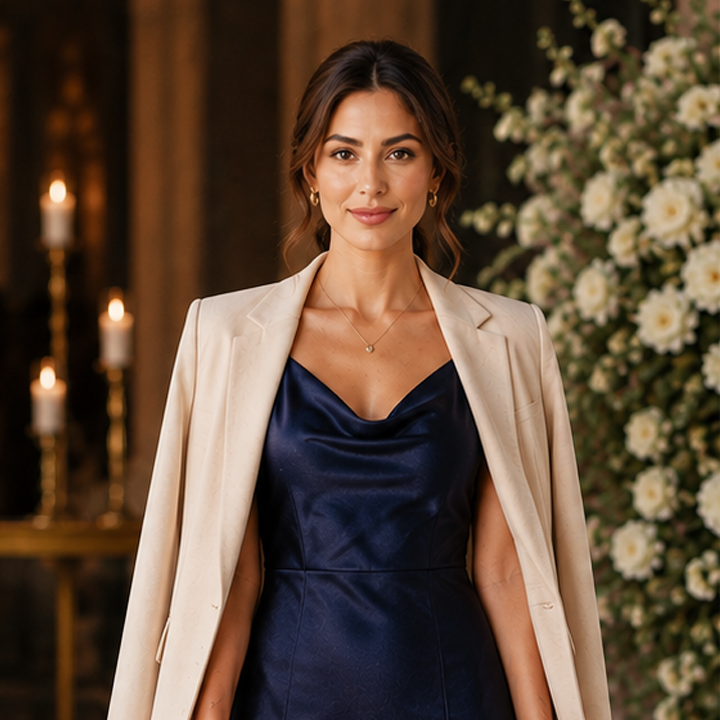
Occasion dressing is not only about formality. The overall vibe matters too. Some plans may feel relaxed and social, while others may call for a sharper, more refined appearance. A casual lunch could work well with clean separates and easy layers, while an evening event may suit stronger silhouettes, richer fabrics, or deeper colours. Choosing clothing that matches the vibe helps your outfit feel more natural and connected to the occasion.
Choose One Strong Starting Point
Instead of trying to build the whole outfit at once, begin with one main piece. This could be a dress, shirt, tailored trousers, statement top, blazer, or coordinated set. Once the main piece is chosen, the rest of the outfit should support it rather than compete for attention.
If your starting piece already has strong colour, texture, or detail, keep the remaining elements simpler. If the main piece is minimal, you can introduce more interest through layering or contrasting fabrics.
Keep Comfort In The Decision
An outfit can look good at first and still become uncomfortable after several hours. Think about movement, sitting, walking, temperature, and how long you will be wearing the look. Choose fabrics and fits that allow you to move naturally without constant adjustment.
Comfort also influences confidence. When clothing fits well and feels right, you are less likely to become distracted by it during the event. The best occasion outfits balance appearance with practicality.
Use Colour To Set The Tone
Colour can quickly change how an outfit feels. Lighter or softer shades often work well for daytime plans, while darker and richer tones can create a stronger evening feel. Neutrals are useful when you want versatility, while bolder shades can bring more personality to celebrations and social events.
You do not need a complicated colour combination. Two or three coordinated shades are usually enough to create a balanced and thoughtful look.
Pay Attention To Fabric
Fabric can make a simple outfit feel more suited to a particular occasion. Cotton and linen often create a relaxed appearance, while satin-like finishes, structured materials, fine knits, or smooth tailoring can feel more elevated.
Texture also adds depth. A plain outfit can become more interesting when different fabric finishes are combined carefully. Choosing the right fabric can help bridge the gap between casual and formal without changing the entire outfit.
Let Layers Add Flexibility
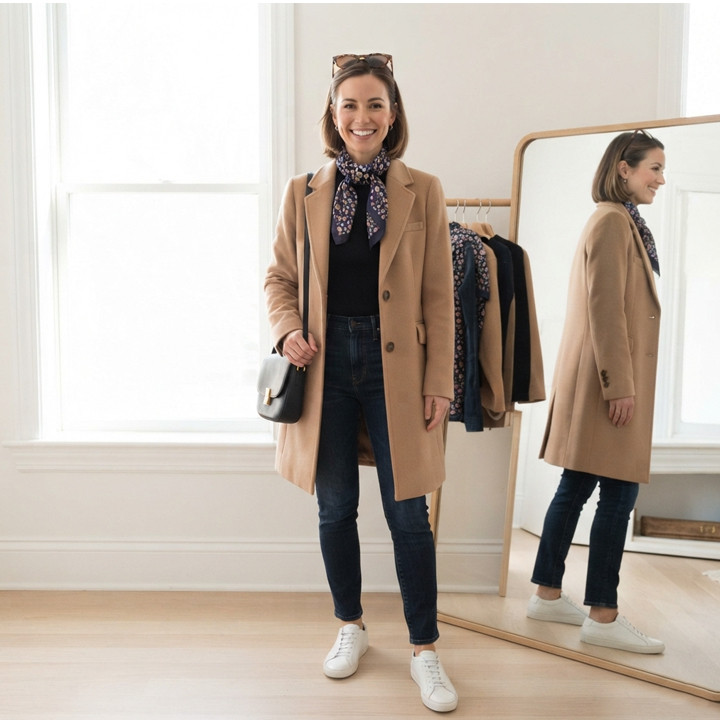
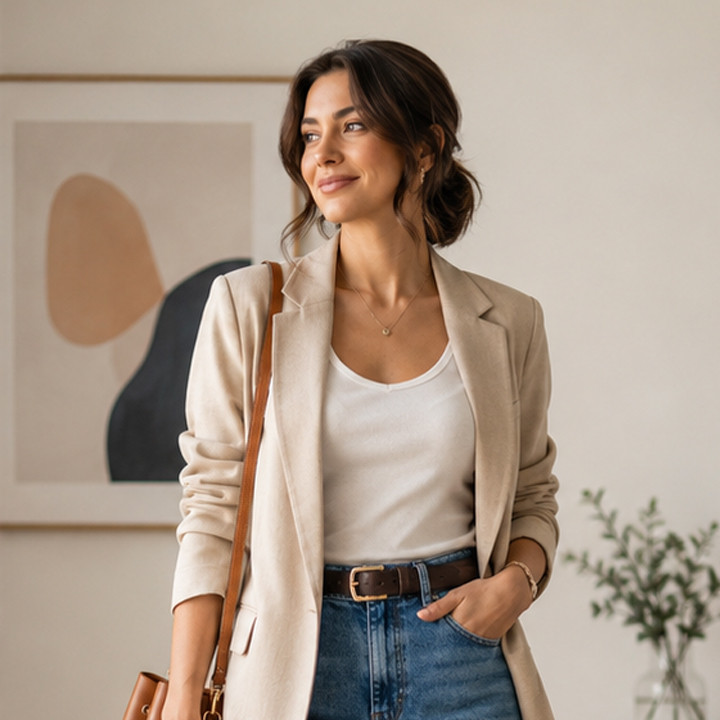
Layers are especially useful when plans change throughout the day. A clean overshirt, blazer, light jacket, or cardigan can make an outfit feel more polished while also giving you flexibility in changing temperatures or settings.
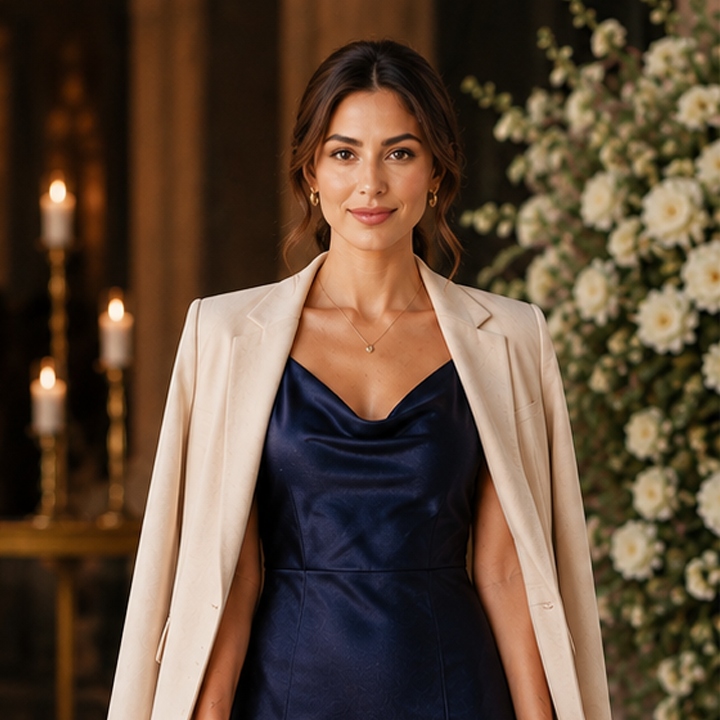
Layers can also help an outfit transition from daytime to evening. A simple base outfit can feel completely different once a structured outer layer is added. Keep the proportions balanced so the layer complements the outfit rather than overwhelming it.
Avoid Dressing Beyond The Occasion
More detail does not always create a better look. If the occasion is simple, overly elaborate styling can feel unnecessary. Likewise, dressing too casually for a more formal event can make the outfit feel unfinished.
Aim for a look that feels slightly considered rather than overly styled. Usually, one strong element combined with clean supporting pieces creates enough impact. Knowing when to stop is an important part of good occasion dressing.
Prepare For Different Plans
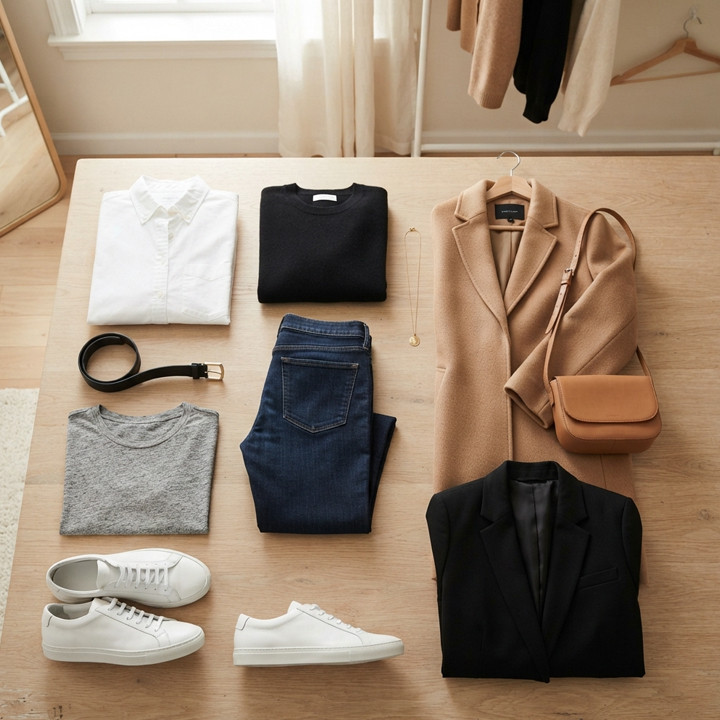
A versatile wardrobe makes occasion dressing much easier. Pieces that can move between different settings give you more flexibility. A well-cut shirt, smart trousers, refined dress, clean jacket, or versatile layering piece can work for multiple occasions when styled differently. Building outfits around adaptable clothing also reduces the need to buy something new for every event.
Choose What Feels Like You
The right occasion outfit should still feel familiar. You do not need to completely change your personal style just because an event feels more formal or special. Instead, adapt the way you already dress to suit the setting.
A successful look feels appropriate, comfortable, balanced, and easy to wear. When those elements come together, dressing for different plans becomes much simpler and far more enjoyable.